
Embedded or Separate Audio: Which Path Suits Your Sync Audit
Daniel Foster
6 min read
Two common ways to carry audio through a production chain, compared on lip-sync risk, latency and ease of fault-finding, with a clear recommendation for most studio teams.
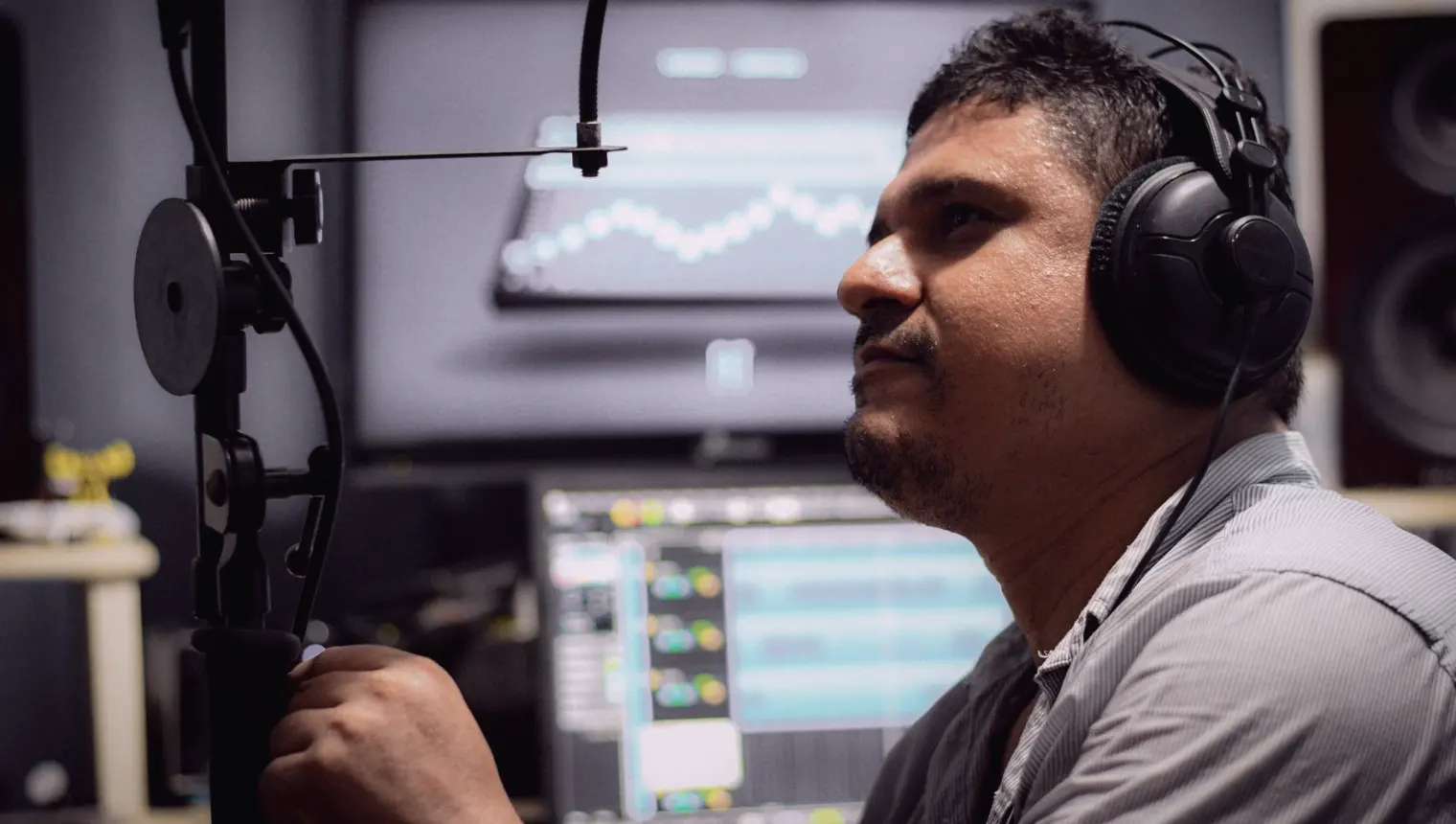
Two ways to carry sound through the chain
Most sync problems we meet in an Audio Sync Audit come back to one early decision: whether sound travels embedded with the picture or on its own separate path. Embedded audio rides inside the video signal, so it moves wherever the picture goes. Separate audio runs through its own routing, often to a console or an audio-over-network system, and meets the picture again only at the end.
Neither is wrong. Both are used daily in studios and on outside broadcasts, and both can deliver clean lip-sync when they are set up with care. The difference lies in where the timing can drift, and how easy it is to notice and fix when it does.
This comparison is written from the point of view of lighting and studio work, where I see the effects of sync faults more often than I trace their causes. Priya Patel handles the measurement side of our audits, and I have leaned on her notes here. The aim is a practical recommendation, not a technical contest.
Where embedded audio helps and where it hides faults
The strength of embedded audio is that picture and sound are married at source. If a video frame store or a converter delays the picture, the sound is usually delayed with it, so the relationship between the two stays close. For a small gallery with a short signal path, this is forgiving, and operators rarely need to think about timing at all.
The weakness is that the marriage can hide problems. Embedded sound still passes through de-embedders, processors and monitors, and each can add its own offset or rebuild the audio clock. When a fault appears, it is hard to say which device caused it, because everything arrives bundled and nothing is visible on its own.
We often find that a chain which looked fine on a desk test slipped by a few frames once a downstream converter was swapped. The signal had not changed in any way an operator could see, only in the way it was timed.
- Picture and sound stay together through simple routing
- Fewer cables and fewer places to mis-patch
- Offsets from converters and frame stores are hard to isolate
- A device swap can shift timing without any visible warning
Where separate audio helps and what it demands
Separate audio gives the sound team a path they control. The console can be clocked cleanly, levels and processing stay out of the video chain, and a delay can be added to a single audio feed to match a known picture latency. For live events with several mixes and outputs, this independence is often the only workable approach.
The price is discipline. Because sound and picture no longer travel together, someone has to measure the picture delay, apply the matching audio delay and write both figures down. If a camera, switcher or display is changed and nobody updates the delay, the fault appears on air and nobody can see why.
Separate paths also mean more clock domains. Every device that does not share a common reference can drift slowly against the others. The effect is often subtle at first, a half-second mismatch that builds over a long programme and then needs a reset between segments.
How we compare the two in an audit
When we review a chain, we do not begin with a preference. We begin by measuring: a test signal with a known flash and tone is sent through the full path, and we record how far apart they arrive at each major point. This shows where the offset enters, regardless of whether the audio is embedded or separate.
We then look at clocking. A single house reference feeding every device is the best protection against drift, and it matters more than the choice of path. A chain with embedded audio and no shared reference can behave worse than a separate chain with good clocking.
Finally, we ask who will maintain the setup. A method that needs careful notes is only as reliable as the crew that keeps them. We write the findings so a new operator can pick them up, because the best design on paper fails when the knowledge sits in one person's head.
- Flash-and-tone test sent through the whole chain
- Offset recorded at each device, not only at the end
- Reference clock distribution checked against every unit
- Documentation judged on whether a newcomer could use it
Our recommendation for most studio teams
For a studio gallery with a short chain, a fixed set of equipment and a small crew, we recommend embedded audio as the default, with a shared reference clock and one measured test recorded after any change. It keeps the operating routine simple, and simple routines survive busy production days.
For productions with several mixes, remote contributors or a dedicated sound team, separate audio is the better choice, provided the picture delay is measured, the matching audio delay is applied and both figures are written into the run sheet. Without that step, separate audio is the riskier of the two.
In both cases the deciding factor is not the signal path itself but the habit around it. A chain that is measured after every equipment change will hold sync. A chain that is trusted because it worked last month will, sooner or later, not.
What to check before the next autumn schedule
Autumn is when many studios return to a full schedule, and equipment that sat idle over the summer is brought back into use. It is a sensible moment to run a sync test before the first live programme, not after a viewer writes in about it.
Start by confirming that every device still locks to the house reference. Then send a test through the main programme path and read the offset at the output. If you find a difference, note which device introduced it and whether the audio delay needs to change.
If the numbers are not what you expect and the cause is not obvious, that is the point where a written audit helps. We report what we measured, where the offset enters and what we suggest changing, in plain terms your crew can act on without our presence.
Embedded and separate audio can both hold perfect lip-sync, so the choice should follow the size of your crew and the complexity of your chain. Choose embedded for short, stable studio setups and separate for multi-mix productions, but in either case measure, record and reference everything to one clock. Sync is kept by routine, not by the path you pick. A short test after every equipment change costs minutes and saves an awkward conversation later.